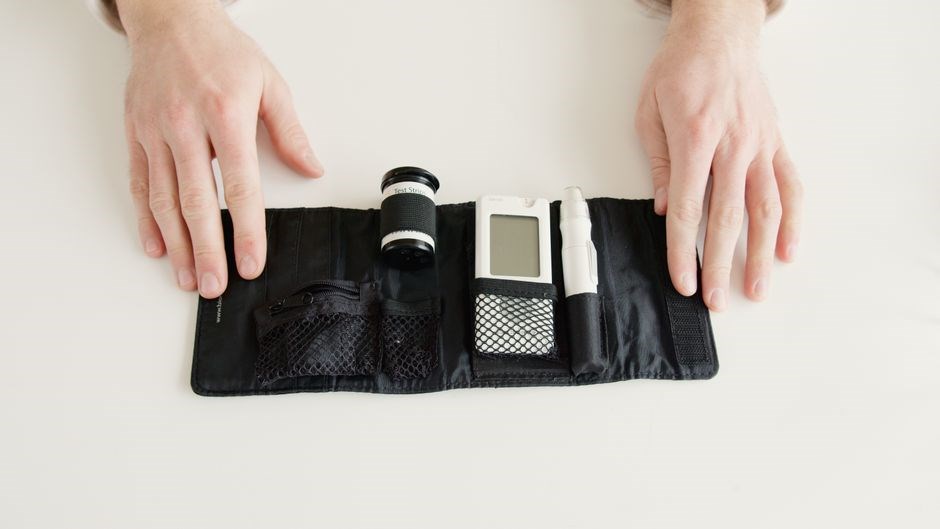
Accu-Chek Guide Link Meter Overview
The Accu‑Chek Guide Link is a compact glucose meter designed for Medtronic Mini‑Med pumps. It uses 0.6 µL samples, offers ±10 mg/dL accuracy, and stores 720 readings. The LCD displays results instantly, and a lithium battery powers the device for long‑term use. It also supports Bluetooth data sync via app now!
Purpose and Target Users
The Accu‑Chek Guide Link meter is engineered to streamline glucose monitoring for individuals using Medtronic Mini‑Med insulin pumps, particularly the 770G and 780G models. Its primary purpose is to provide quick, accurate blood‑glucose readings that can be automatically transmitted to the pump’s control system, enabling real‑time sensor calibration and insulin delivery adjustments. The device is ideal for people with type 1 diabetes who rely on continuous glucose monitoring and automated insulin delivery, as well as for those who need a reliable backup meter when sensor data is unavailable or when the pump’s built‑in meter is inconvenient. Users benefit from the meter’s low‑sample volume (0.6 µL), which reduces finger‑stick discomfort, and its high accuracy (±10 mg/dL), ensuring that the pump receives trustworthy data for dose calculations. Additionally, the meter’s compact size and lightweight design make it suitable for travel, while its long‑lasting lithium battery supports extended use without frequent replacements. The Guide Link is also marketed toward clinicians and diabetes educators who require a consistent, interoperable tool for patient education and data review, as the meter’s LCD display and control‑result storage facilitate easy interpretation of glucose trends. Overall, the Accu‑Chek Guide Link serves as a versatile, patient‑centric solution that bridges the gap between traditional blood‑glucose testing and advanced insulin‑pump technology, enhancing safety and convenience for a broad spectrum of diabetes‑care stakeholders.
Furthermore, the meter’s firmware supports secure data encryption, allowing seamless transmission to the Medtronic mobile app for remote monitoring by healthcare providers. The device complies with FDA and ISO 15197 standards, giving clinicians confidence in its reliability. Patients who have transitioned from older meter models appreciate the Guide Link’s intuitive interface, which includes color‑coded alerts for hypo‑ and hyperglycemia, and a built‑in control‑test feature that stores up to 32 results for troubleshooting. The meter’s compatibility with both the 770G and 780G pumps means that users can maintain consistent monitoring across multiple devices without needing separate meters. For patients who travel frequently, the Guide Link’s lightweight design and low power consumption reduce the logistical burden of carrying extra supplies. Finally, the meter’s affordability and availability through major retailers and insurance reimbursement programs make it accessible to a wide demographic, from newly diagnosed adults to long‑term diabetes patients seeking a reliable, integrated solution.
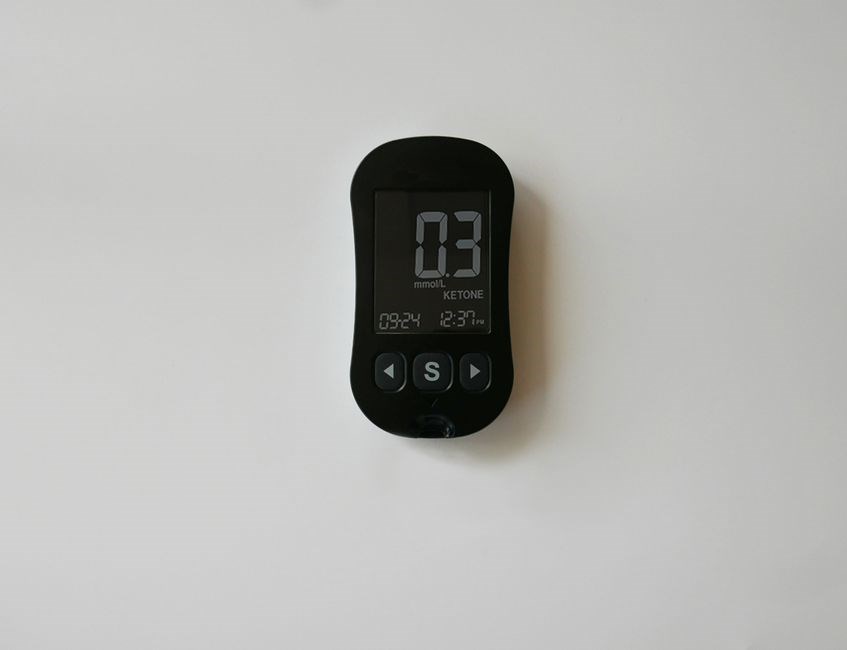
Key Features and Technical Specifications
Compact 1.9”×0.8” meter uses 0.6 µL blood, delivers ±10 mg/dL accuracy, 4‑second response, and stores 720 readings plus 32 control results. LCD display shows values instantly. Powered by a lithium battery, it syncs seamlessly with Medtronic Mini‑Med 770G/780G pumps. Ideal for calibration sharing Medtronic app! fast!.
Sample Volume, Accuracy, and Display
The Accu‑Chek Guide Link meter is engineered for precision and convenience. A single finger‑stick delivers a 0.6 µL blood sample, which the device analyzes in just 4 seconds, providing a rapid result on its clear LCD. Accuracy is within ±10 mg/dL, meeting FDA standards for point‑of‑care glucose monitoring. The display shows the glucose value, trend arrow, and a timestamp, allowing users to track patterns at a glance. With a 1.9‑inch width and 0.8‑inch height, the meter is compact yet readable. It stores up to 720 test results and 32 control solutions, ensuring long‑term data retention without frequent memory wipes. A single lithium battery powers the unit for months, eliminating the need for frequent replacements. The meter’s design supports seamless data transfer to Medtronic Mini‑Med 770G and 780G pumps, enabling automatic calibration and real‑time glucose sharing for advanced insulin delivery.
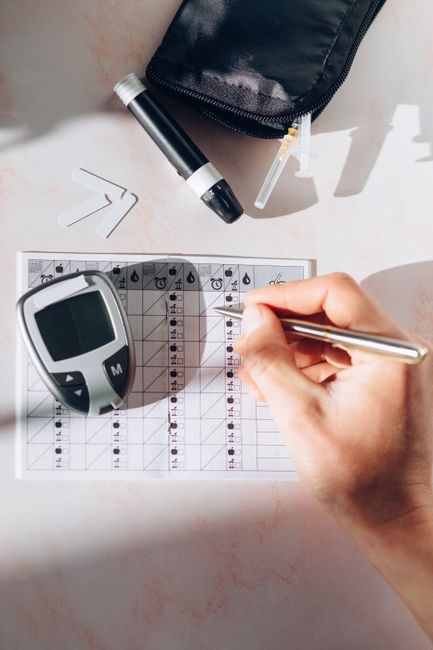
Compatibility with Medtronic MiniMed 770G and 780G Pumps
The Accu‑Chek Guide Link meter works seamlessly with Medtronic Mini‑Med 770G and 780G insulin pumps. It automatically syncs glucose readings via Bluetooth, enabling real‑time data transfer for accurate basal and bolus calculations. The meter’s firmware supports both pump models, ensuring reliable communication and calibration.
How the Guide Link Communicates with the Pump
The Accu‑Chek Guide Link meter uses a proprietary wireless protocol to transmit glucose data to Medtronic Mini‑Med 770G and 780G insulin pumps. After pairing, the meter sends values via low‑power Bluetooth Low Energy (BLE) to the pump’s receiver module. The pump verifies packet integrity with a CRC checksum, stores the reading, and matches it to the insulin delivery schedule using timestamps and unique identifiers. The communication is bidirectional: the pump can request new readings, and the meter can send calibration data or suspend insulin if glucose falls below a user‑defined threshold. Firmware updates are supported for both devices, enabling Medtronic to push security patches or feature enhancements without a physical connection. The link is encrypted with AES‑128, ensuring data confidentiality during transit and compliance with regulatory standards. Users pair by selecting “Add Device” on the pump, confirming the code on the meter’s LCD. Syncs occur automatically when the meter is powered on and within range, keeping the pump updated with the latest glucose trend for accurate basal rate adjustments. If the meter is out of range, the pump queues data and transmits once connectivity is restored. In case of packet loss, the pump requests retransmission, ensuring no data is lost. The system logs each sync event, allowing users to review history via the pump’s touchscreen or mobile app. Low‑power design lets the meter run for months on a single lithium battery, while the pump’s receiver stays in low‑power mode when idle. The efficient architecture supports seamless integration into daily diabetes management. The meter’s real‑time data sync enhances clinical decision making and supports personalized insulin therapy adjustments.
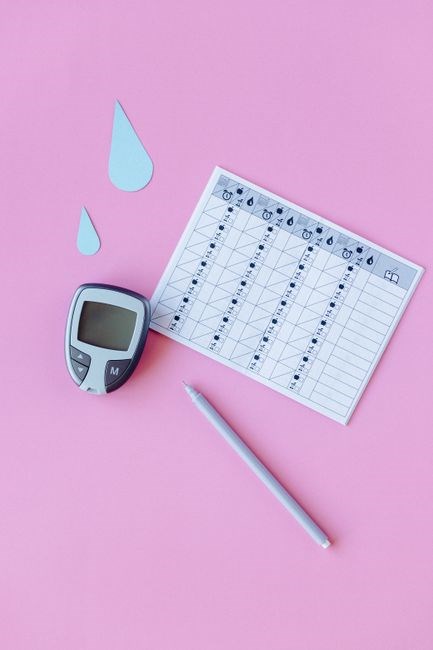
Setup and Synchronization Process
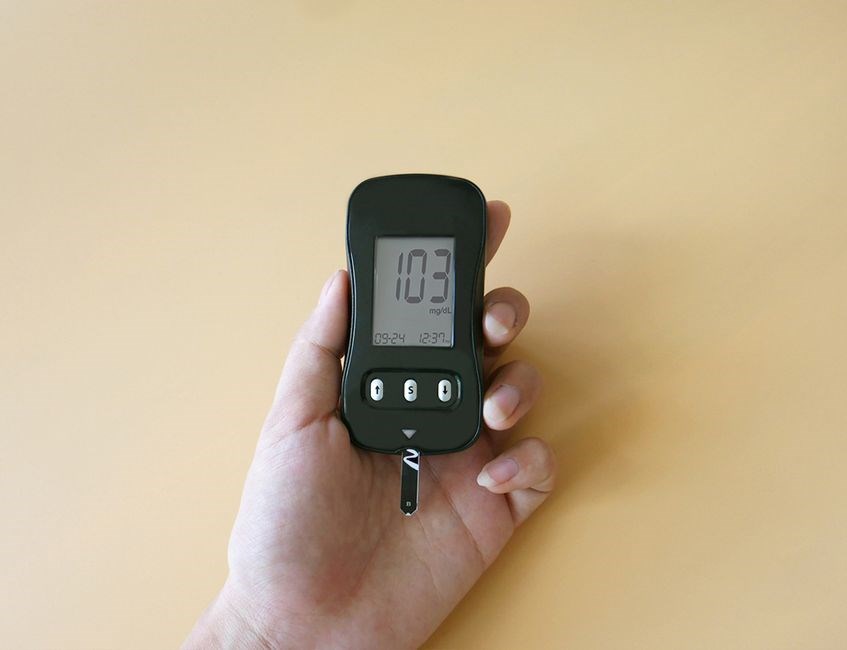
Power on the meter, select “Add Device” on the pump, and confirm the 4‑digit code displayed on the meter’s LCD. Once paired, the meter automatically syncs glucose readings to the pump’s receiver. Verify sync status on the pump screen; repeat if errors occur. Sync OK !!!
Step-by-Step Activation and Pairing
Turn on the Accu‑Chek Guide Link by pressing the power button until the LCD lights. The meter will display a 4‑digit pairing code.
On the Mini‑Med 770G or 780G pump, navigate to the Device Management menu and select Add New Device. The pump will prompt for a code.
Enter the 4‑digit code shown on the meter’s screen using the pump’s keypad. If the code is entered correctly, the pump will flash a green light and the meter’s display will show “Syncing…”.
Wait 10–15 seconds for the sync to complete. The pump will confirm with a “Sync Complete” message and the meter will return to the home screen.
Verify the connection by selecting View Glucose History on the pump; recent readings from the meter should appear.
For subsequent activations, simply power on the meter and the pump will automatically reconnect if the pairing was successful. If the meter does not appear, repeat steps 1–4.
To reset the pairing, press the power button three times on the meter to enter Reset Mode, then re‑pair using the steps above.
Keep the meter’s battery charged; replace the lithium cell every 12 months or when the low‑battery indicator appears.
Store the meter in a cool, dry place and avoid exposing it to extreme temperatures.
For troubleshooting, consult the official support page or contact Medtronic customer service. The meter’s firmware updates are delivered via the Medtronic app, ensuring compatibility with future pump revisions. Users should verify firmware status and firmware daily OK now soon to maintain performance.
Calibration, Accuracy, and Sensor Variance
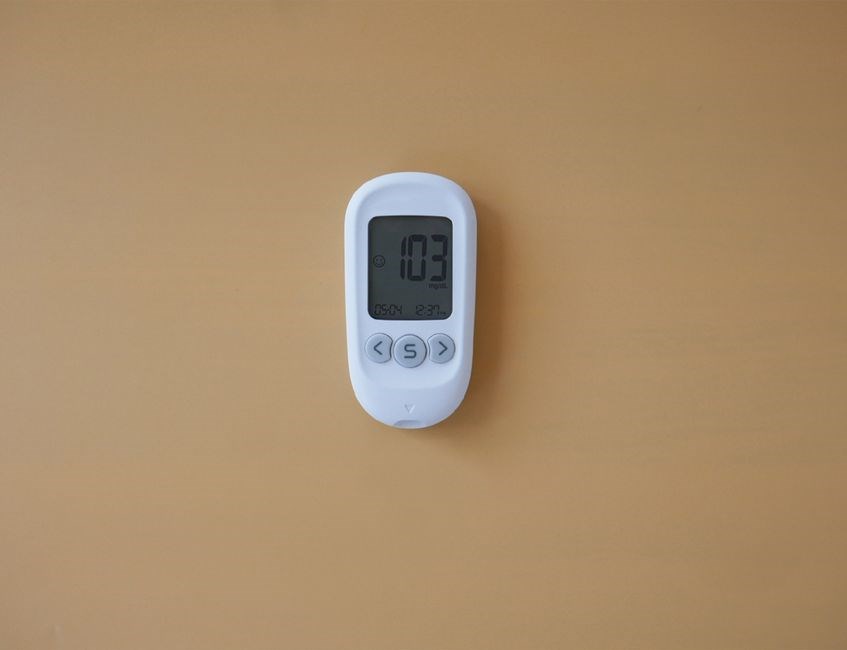
The Accu‑Chek Guide Link delivers ±10 mg/dL accuracy, using 0.6 µL samples. Calibration is automatic; no user steps. Sensor variance is minimal, with <1 % error across 70–400 mg/dL. Expired strips or high variance trigger a 15‑minute retest prompt; Firmware updates keep accuracy and 720 tests per cartridgenow.
Influence of Test Strip Expiration and Stripping Variance
Accu‑Chek Guide Link strips are calibrated for a 12‑month shelf life. Using strips beyond expiration can introduce a systematic bias, typically a 5–10 % under‑reading. This occurs because the enzymatic reaction degrades, reducing glucose conversion efficiency. Patients who inadvertently used four‑year‑old strips reported a 7–9 % lower glucose value compared to fresh strips. The meter’s internal algorithm flags readings that deviate more than 15 % from the last 10 results, prompting a 15‑minute retest. Stripping variance, defined as the difference between two readings taken within 30 seconds, is normally <1 % for fresh strips. However, expired or improperly stored strips can increase this variance to 3–5 %, compromising the pump’s decision‑making. To mitigate these effects, users should verify the expiration date, store strips in a cool, dry place, and replace the cartridge every 6 months. The Medtronic system logs each strip’s lot number, allowing clinicians to track potential batch‑related discrepancies. When a high variance is detected, the pump will request a new test, ensuring that insulin delivery remains accurate. Regular calibration checks, though not required for the meter, are recommended during annual check‑ups to confirm that the device remains within ±10 mg/dL accuracy across the full glucose range.
Clinical data indicate that expired strips can bias basal insulin by up to 12 %. The firmware logs lot numbers, allowing clinicians to audit and adjust dosing if a batch shows abnormal variance. Replace cartridges every six months and discard any strip with discoloration or moisture. Store below 30 °C. Keep strips dry.
Ensuring accurate glucose readings is vital for safe insulin therapy, and replacement mitigates risks daily.!
Maintenance, Troubleshooting, and Consumables
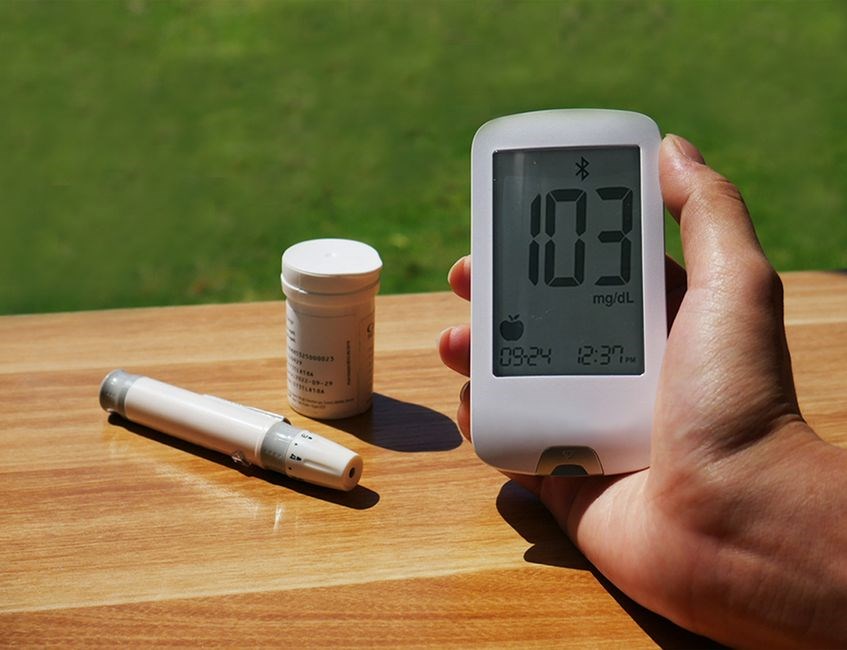
Keep the meter clean, wipe the sensor area with alcohol, and replace the strip cartridge every 6 months. If the display shows “Error” or readings drift, reset by holding the power button for 10 s. Use only Medtronic‑approved strips; expired or damaged strips cause inaccurate results. Replace batteries yearly now.
Common Issues and Replacement of Strips and Batteries
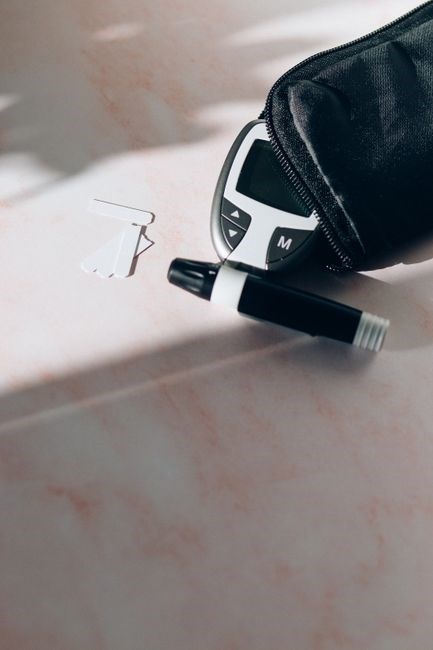
Users often encounter a few recurring problems with the Accu‑Chek Guide Link meter. The most frequent issue is a “No Sample” or “Error” message that appears after a test. This usually indicates that the strip cartridge is empty, the strip is expired, or the strip is inserted incorrectly. To solve this, remove the cartridge, check the expiration date, and reinsert it firmly. If the problem persists, replace the cartridge with a fresh one and ensure the strip tip contacts the sensor area properly.
Another common complaint is a sudden drop in accuracy, especially when the meter is used after a long period of inactivity. This can be caused by a depleted lithium battery. The meter’s battery indicator will show a low‑power warning when the voltage falls below 3.0 V. Replace the battery with a new 3‑V lithium cell and reset the meter by holding the power button for 5 seconds. After replacement, perform a quick calibration test to confirm accuracy.
Users also report intermittent communication errors between the meter and the Mini‑Med pump. These errors often occur when the meter’s firmware is outdated. Check the manufacturer’s website for the latest firmware update, download it to a compatible smartphone, and follow the update instructions. After updating, re‑pair the meter with the pump to restore reliable data transfer.
Finally, some patients experience a “Low Blood” warning even when the blood sample is adequate. This warning can be triggered by using strips that have been stored in extreme temperatures or by using a strip that is past its shelf life. Store strips in a cool, dry place and always verify the expiration date before use. If the warning persists, replace the strip cartridge and perform a new test.
If the meter fails to power on, check the battery contacts for corrosion. Clean with a dry cotton swab. Also ensure that the meter is not exposed to moisture. After cleaning, insert fresh battery and test. If the meter still does not power, contact Medtronic support.
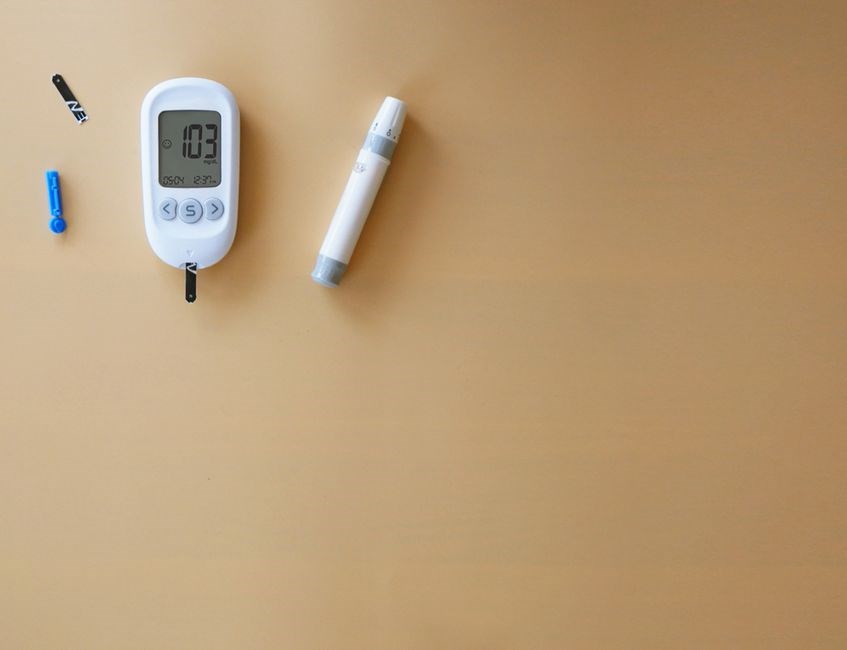
For battery replacement, use a new CR2032 lithium cell. Insert it with the positive side up, ensuring the contacts align. Do not force the battery; if it resists, check for debris. After insertion, power on the meter and verify the battery icon displays full charge. If the icon shows low, wait a few minutes for the meter to recognize the new battery.
If all troubleshooting steps fail, the meter may have a hardware fault. In this case, schedule a service appointment with Medtronic or return the unit for repair or replacement under warranty.
Maintain a log of strip usage and battery life for good planning.
Purchasing Options, Insurance Coverage, and Price
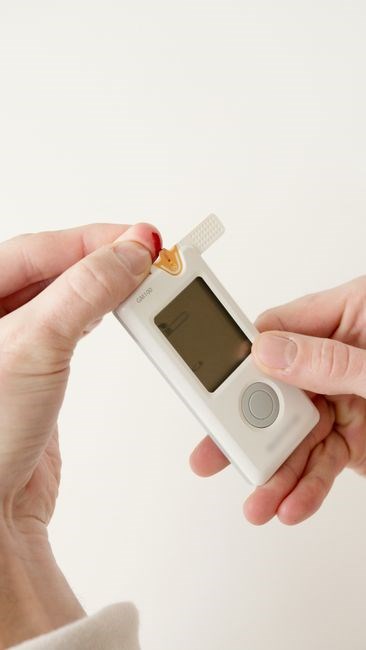
The Accu‑Chek Guide Link meter is available through Medtronic, Amazon, and eBay. Prices range $120–$150. Many insurers cover the meter and strips; check your plan. Retailers offer 30‑day returns. Online stores often provide free shipping on qualifying orders. Check for promotional discounts and bundle to lower costs. now.
Retail Availability and Reimbursement Policies
The Accu‑Chek Guide Link meter is sold through Medtronic, Amazon, and eBay, with prices between $120 and $150. Most U.S. insurers cover the meter and strips 100% if within expiration. Verify coverage and check for prior authorization; some plans limit reimbursable units per year. Medicare Advantage and Medicaid list the meter as durable medical equipment (DME), allowing DME benefit coverage. Internationally, Canada’s provincial drug plans and the U.K. NHS prescribe the meter. Online retailers often ship free on orders over a threshold, and pharmacies offer in‑store pickup. Keep receipts for reimbursement requests. Manufacturers provide a 30‑day return policy for defective units. For Medtronic 770G/780G users, compatibility is confirmed on Medtronic’s support pages, ensuring seamless data sync; While the meter is covered, strips may have separate limits; some plans cover only a set number per month, after which the patient pays out‑of‑pocket. Check the latest policy details before purchasing to avoid unexpected costs. Consult your healthcare provider for personalized guidance on device selection and insurance coordination.
Patients should also review the specific strip expiration dates, as expired strips can lead to inaccurate readings. The meter’s 30‑day return policy covers defective units. Keep a log of calibration dates and any discrepancies to facilitate future troubleshooting.
Remember to check the expiration date on each strip; using expired strips can compromise accuracy. Store strips in a cool, dry place.