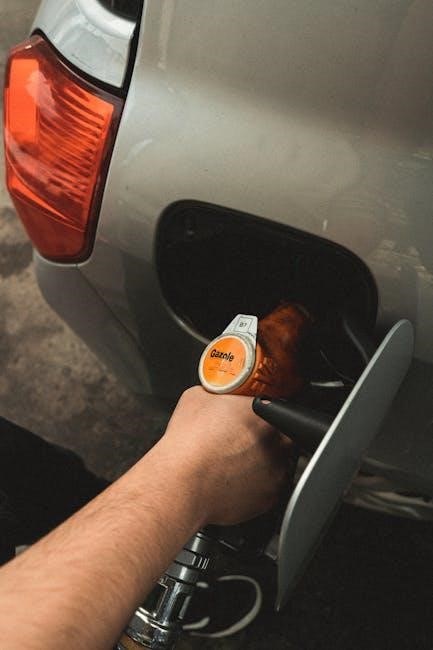
Manual Transfer Pumps: A Comprehensive Guide
Manual transfer pumps efficiently move liquids without electricity, relying on manual operation for control – ideal for diverse settings like homes, farms, and industries.
Manual transfer pumps represent a straightforward yet vital solution for liquid handling across numerous applications. These devices distinguish themselves by operating without the need for electrical power, instead utilizing human-powered mechanisms to initiate and sustain fluid movement. This inherent characteristic makes them exceptionally valuable in scenarios where electricity is unavailable, impractical, or poses a safety concern.

Their design prioritizes portability and ease of use, allowing for quick and efficient transfer of liquids between containers or systems. From simple residential tasks to complex industrial processes, manual pumps offer a reliable and cost-effective alternative to their electric counterparts.
Definition and Purpose
A manual transfer pump is defined as a portable, non-electric device specifically engineered for the movement of liquids between various containers or integrated systems. Its primary purpose centers around facilitating the efficient and controlled transfer of fluids without relying on external power sources. This makes them incredibly versatile for draining, filling, or relocating liquids in diverse environments.
Unlike pumps designed for maintaining constant pressure, these pumps prioritize high flow rates and convenient portability, catering to residential, commercial, agricultural, and industrial needs effectively.
Types of Manual Transfer Pumps

Manual transfer pumps come in several distinct types, each suited for specific applications. Rotary hand pumps are known for their consistent flow and are often used with lighter fluids. Piston hand pumps excel at handling viscous liquids, generating higher pressure with each stroke. Finally, diaphragm hand pumps are ideal for sensitive fluids, offering gentle pumping action and self-priming capabilities.
The selection of the appropriate pump type hinges on the fluid’s characteristics and the demands of the transfer process.
Rotary Hand Pumps
Rotary hand pumps utilize a rotating mechanism to create suction and discharge fluid, providing a relatively consistent flow rate. These pumps are particularly effective with lower viscosity liquids like water, oils, and solvents. Their simple design contributes to ease of use and maintenance, making them a popular choice for various transfer tasks.
They are frequently employed when a steady, non-pulsating flow is desired, offering reliable performance in numerous applications.
Piston Hand Pumps
Piston hand pumps operate by using a reciprocating piston within a cylinder to draw fluid in and expel it with each stroke. This design excels at handling viscous liquids, including oils, fuels, and even some thicker chemicals, offering substantial pumping power. They generate higher pressures compared to rotary pumps, making them suitable for applications requiring forceful fluid delivery.
However, the flow is typically pulsating, and they may require more manual effort for operation.
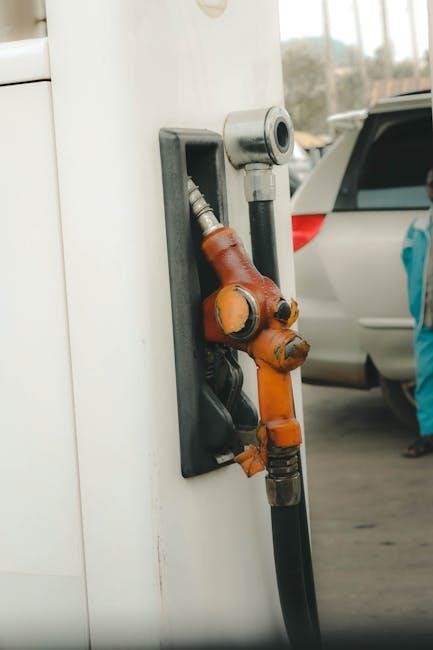
Diaphragm Hand Pumps
Diaphragm hand pumps utilize a flexible diaphragm that reciprocates, creating a pumping action. This design is particularly well-suited for handling corrosive or abrasive fluids, as the liquid only contacts the diaphragm and pump housing materials. They are self-priming and can run dry without damage, offering versatility in various applications.
While generally providing lower flow rates than piston pumps, they are known for gentle fluid handling and reliable operation.
Applications of Manual Transfer Pumps
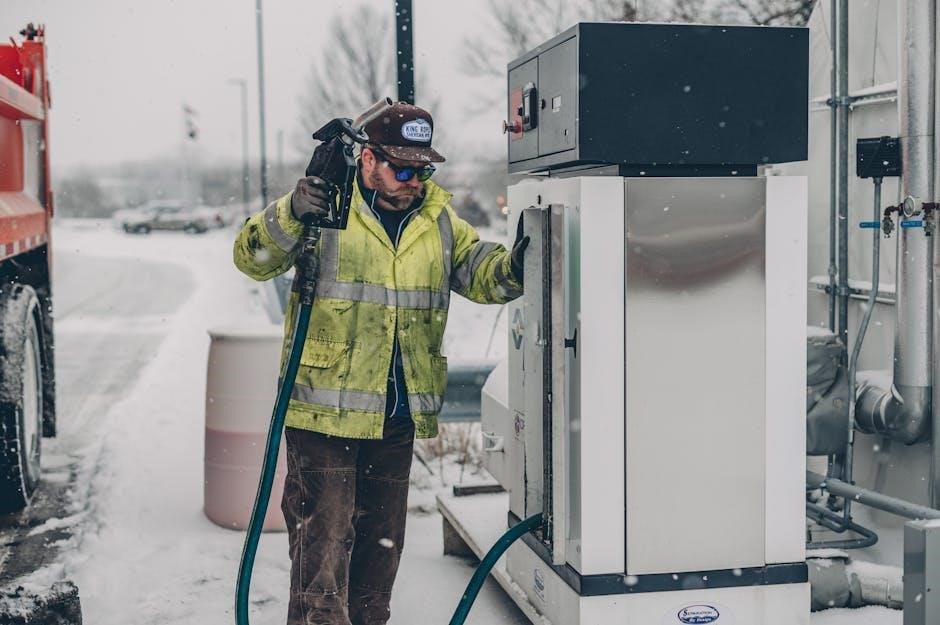
Manual transfer pumps find widespread use across numerous sectors due to their portability and independence from electrical power. Residential uses include transferring fuel for lawnmowers, boats, or generators, and draining water tanks. Commercial and industrial applications encompass moving chemicals, oils, and solvents in workshops and laboratories.
Furthermore, agricultural uses benefit from their ability to transfer fertilizers, pesticides, and water in remote field locations, making them invaluable tools for diverse fluid handling needs.
Residential Uses
Manual transfer pumps are incredibly versatile for homeowners, offering solutions for various fluid transfer tasks. They excel at transferring gasoline, kerosene, or diesel fuel to power lawnmowers, snowblowers, and recreational vehicles, eliminating the need for cumbersome pouring. Homeowners also utilize these pumps for draining water from pools, hot tubs, or basements during maintenance or emergencies.
Additionally, they are useful for transferring water from storage tanks for gardening or other outdoor needs, providing a convenient and reliable solution.

Commercial and Industrial Applications
Manual transfer pumps play a crucial role in numerous commercial and industrial settings where electrical power may be unavailable or unsafe. They are frequently used for transferring chemicals, oils, and coolants in manufacturing plants and workshops, offering a safe and reliable alternative to electric pumps. Construction sites benefit from their portability for fuel transfer to equipment in remote locations.
Furthermore, they are employed in vehicle maintenance facilities for fluid changes and in laboratories for controlled liquid handling, ensuring operational efficiency.
Agricultural Uses
Manual transfer pumps are invaluable tools in agriculture, particularly for tasks requiring liquid movement in off-grid locations. Farmers utilize them for transferring fuel to tractors and other farm machinery, eliminating the need for electrical connections in fields. They are also essential for dispensing pesticides, herbicides, and fertilizers from storage containers to sprayers, ensuring precise application.
Additionally, these pumps aid in transferring water for livestock or irrigation in areas lacking powered pumping systems, contributing to efficient farm operations.
Benefits of Using Manual Hand Pumps
Manual hand pumps offer distinct advantages despite the prevalence of electric alternatives. Their portability is paramount, allowing operation in remote locations and confined spaces where electricity isn’t available. This accessibility extends to situations demanding quick, on-the-spot fluid transfer. Furthermore, they boast remarkable affordability, requiring no electricity costs and minimal maintenance.
The operational simplicity of these pumps means anyone can use them with minimal training, making them a practical solution for various applications.
Portability and Accessibility
Manual transfer pumps excel in situations where electrical power is unavailable or impractical. Their lightweight and self-contained design ensures exceptional portability, making them ideal for remote job sites, fieldwork, and emergency response scenarios. This accessibility extends to confined spaces where larger, electric pumps simply won’t fit.
The lack of reliance on electricity removes logistical hurdles, allowing for immediate operation anywhere. This makes them invaluable for tasks requiring on-demand fluid transfer, offering a convenient and reliable solution.
Affordability and Simplicity
Manual transfer pumps represent a cost-effective fluid handling solution, particularly when compared to their electric counterparts. The absence of motors, wiring, and complex controls translates to lower initial purchase costs and reduced long-term maintenance expenses. Their simplicity extends to operation; requiring minimal training and expertise.
This ease of use makes them accessible to a wider range of users, eliminating the need for specialized personnel. The straightforward design also minimizes potential points of failure, contributing to reliable performance and extended service life.
Factors to Consider When Choosing a Pump
Selecting the right manual transfer pump demands careful consideration of several key factors. Fluid compatibility is paramount – ensuring the pump materials won’t react with the liquid being transferred. The viscosity of the liquid significantly impacts pump performance; thicker fluids require pumps designed for higher resistance.
Furthermore, accurately assess your flow rate requirements to avoid bottlenecks or inefficient operation. Matching the pump’s capacity to the task at hand optimizes transfer speed and minimizes manual effort. Ignoring these aspects can lead to pump failure or unsatisfactory results.
Fluid Compatibility
Ensuring fluid compatibility is critical when selecting a manual transfer pump. Pump materials – including seals, hoses, and the pump body itself – must resist degradation or reaction with the liquid being transferred. Incompatible materials can lead to contamination, pump failure, or even hazardous situations.
Consider the chemical properties of the fluid; aggressive chemicals require specialized pump materials like stainless steel or specific polymers. Always verify the pump’s specifications to confirm its suitability for your intended application, safeguarding both the pump and the fluid’s integrity.
Viscosity of the Liquid
Liquid viscosity significantly impacts manual pump performance. Highly viscous fluids, like oils or syrups, require pumps capable of overcoming increased internal friction. Rotary and piston pumps generally excel with viscous liquids due to their positive displacement design, ensuring consistent flow.
Diaphragm pumps can handle some viscosity, but may struggle with very thick substances. Selecting a pump with sufficient power and appropriate internal clearances is crucial for efficient transfer. Ignoring viscosity can lead to slow flow rates or pump stalling, hindering operations.
Flow Rate Requirements
Determining the necessary flow rate is paramount when choosing a manual transfer pump. Consider the volume of liquid needing transfer and the allotted timeframe. Applications demanding rapid emptying or filling necessitate pumps with higher flow capacities. Conversely, slower, controlled transfers may suit pumps with lower output.
Rotary pumps often provide consistent flow, while diaphragm pumps may offer variable rates. Accurately assessing flow rate needs prevents bottlenecks and ensures efficient operation. Overestimating can lead to unnecessary manual effort, while underestimating prolongs the transfer process.
Pump Efficiency and Manual Effort
A more efficient manual transfer pump minimizes the physical exertion required for fluid movement. Designs that optimize mechanical advantage translate to less force needed per unit of liquid transferred. Factors influencing efficiency include pump type, internal seals, and the quality of construction materials.
Effectiveness also hinges on the pump’s ability to handle the specific fluid’s viscosity and the operating conditions. Reduced manual effort not only eases operator fatigue but also contributes to faster, more consistent transfer rates, boosting overall productivity.
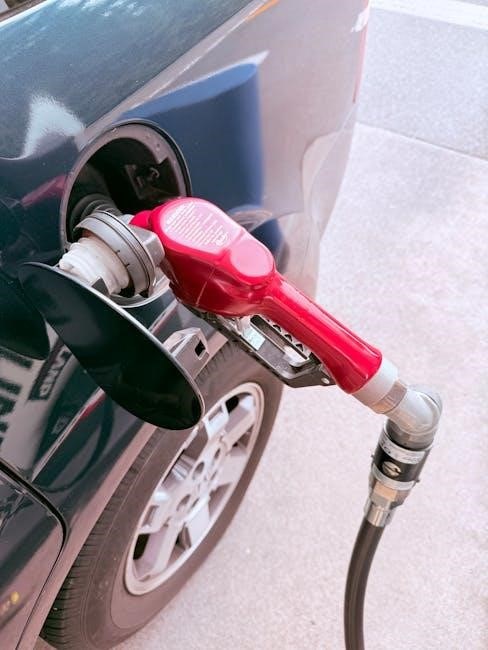
Customization Options and Accessories
Manual transfer pumps can be significantly enhanced with various accessories tailored to specific tasks. Spouts and nozzles direct the fluid flow precisely, preventing spills and facilitating filling of containers. Hoses and fittings ensure secure connections and compatibility with different fluid types and container openings.
For accurate measurement during transfer, flow meters can be integrated, providing real-time data on the volume of liquid moved. These options allow users to adapt the pump to their unique needs, maximizing its versatility and effectiveness.
Spouts and Nozzles
Spouts and nozzles are crucial accessories for manual transfer pumps, offering enhanced control and precision during fluid transfer. They direct the flow, minimizing spills and splashes, particularly when dealing with hazardous or valuable liquids. Different spout designs cater to various container openings and flow rate requirements.
Nozzles can be adjusted for stream type – from a gentle pour to a focused jet – increasing versatility. Selecting the appropriate spout or nozzle ensures efficient and safe operation, optimizing the pump’s performance for specific applications.
Hoses and Fittings
Hoses and fittings are essential components for manual transfer pumps, connecting the pump to containers and facilitating fluid movement. Hose material compatibility with the transferred liquid is paramount to prevent degradation and contamination. Various fittings – including threaded, barbed, and quick-connect – ensure secure and leak-proof connections.
Selecting the correct hose diameter impacts flow rate; larger diameters generally allow for faster transfer. Durable hoses resist kinking and abrasion, extending the pump system’s lifespan and maintaining operational efficiency.
Flow Meters
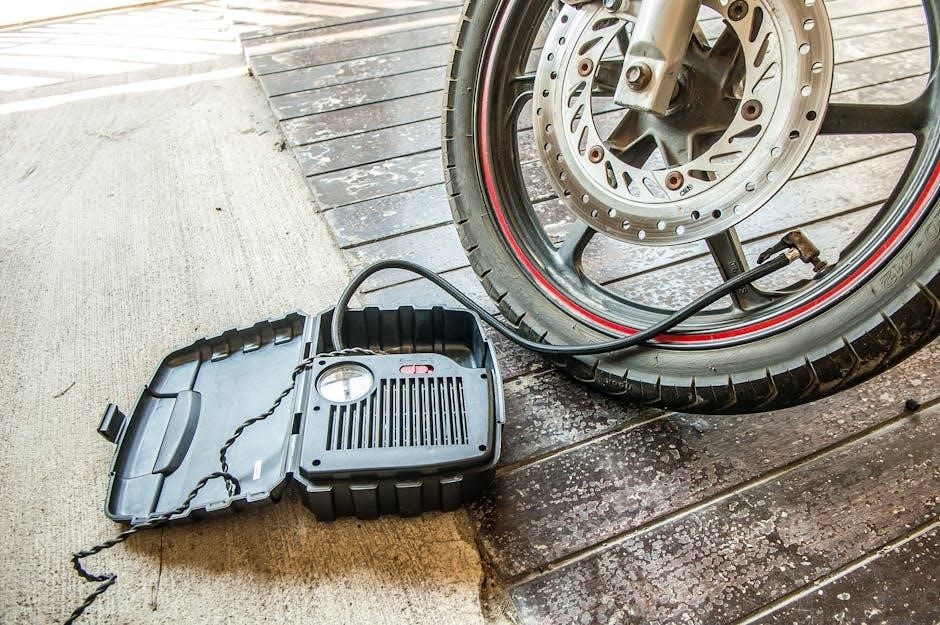
Flow meters, as accessories for manual transfer pumps, provide precise measurement of transferred liquid volume, enhancing control and preventing overfilling or shortages. These devices range from simple mechanical indicators to more sophisticated digital displays, offering varying levels of accuracy.
Integrating a flow meter allows users to monitor transfer rates, track consumption, and optimize pumping efficiency. Choosing a meter compatible with the fluid’s viscosity and flow rate is crucial for reliable performance. They are particularly valuable in applications requiring accurate dispensing or batching.
Maintenance and Troubleshooting
Regular inspection of a manual transfer pump is vital for longevity. Check for leaks, cracks in hoses, and wear on seals. Promptly address any issues to prevent further damage or fluid loss. Cleaning procedures should involve flushing the pump with a compatible solvent after each use, especially when handling viscous or corrosive liquids.
Troubleshooting common problems like slow flow rates often involves checking for obstructions in the inlet or outlet. If the pump fails to prime, ensure all connections are airtight and the fluid is within the pump’s capabilities.
Regular Inspection
Consistent inspection of your manual transfer pump is paramount for reliable operation. Prior to each use, meticulously examine all components. Look closely for any signs of wear, such as cracks in the housing, hoses, or fittings. Pay particular attention to seals and O-rings, ensuring they remain pliable and free from damage.
Check for leaks around connections and the pump’s internal mechanisms. A proactive approach to inspection identifies potential problems early, preventing costly repairs and ensuring safe, efficient fluid transfer.
Cleaning Procedures
Thorough cleaning after each use extends the lifespan of your manual transfer pump and prevents contamination. Begin by disconnecting the pump from any fluid source and draining any remaining liquid. Flush the pump’s internal components with a compatible solvent, following manufacturer’s guidelines.
Wipe down the exterior surfaces with a damp cloth, removing any spills or residue. Inspect hoses and fittings for buildup, cleaning them separately. Proper cleaning ensures optimal performance and prevents cross-contamination between fluids.
Safety Precautions
Prioritize safety when operating a manual transfer pump. When handling flammable liquids, ensure adequate ventilation and eliminate ignition sources. Always wear appropriate personal protective equipment, including gloves and eye protection, to prevent skin and eye contact with fluids.
Securely position containers to prevent spills and instability during transfer. Avoid overfilling containers, and never leave the pump unattended while in operation. Regularly inspect the pump for leaks or damage before each use, ensuring a safe working environment.
Handling Flammable Liquids
Extreme caution is vital when using a manual transfer pump with flammable liquids. Always operate in a well-ventilated area to prevent vapor buildup, and completely eliminate all sources of ignition – sparks, open flames, and static electricity. Ground both containers to prevent static discharge during fluid transfer.
Utilize pumps specifically designed for flammable liquids, ensuring compatibility with the fluid. Wear appropriate personal protective equipment, and have a fire extinguisher readily available. Never smoke while handling these materials.
Preventing Spills
Minimizing spills when using a manual transfer pump is crucial for safety and environmental protection. Ensure all connections – hoses, fittings, and pump inlets/outlets – are secure before initiating transfer. Use drip pans or absorbent materials around the pump and containers to contain any accidental leaks or overflows.
Transfer liquids slowly and steadily, avoiding sudden movements that could dislodge connections. Regularly inspect hoses for wear and tear, and promptly replace damaged components. Proper planning and careful operation are key to spill prevention.
Comparison with Electric Transfer Pumps
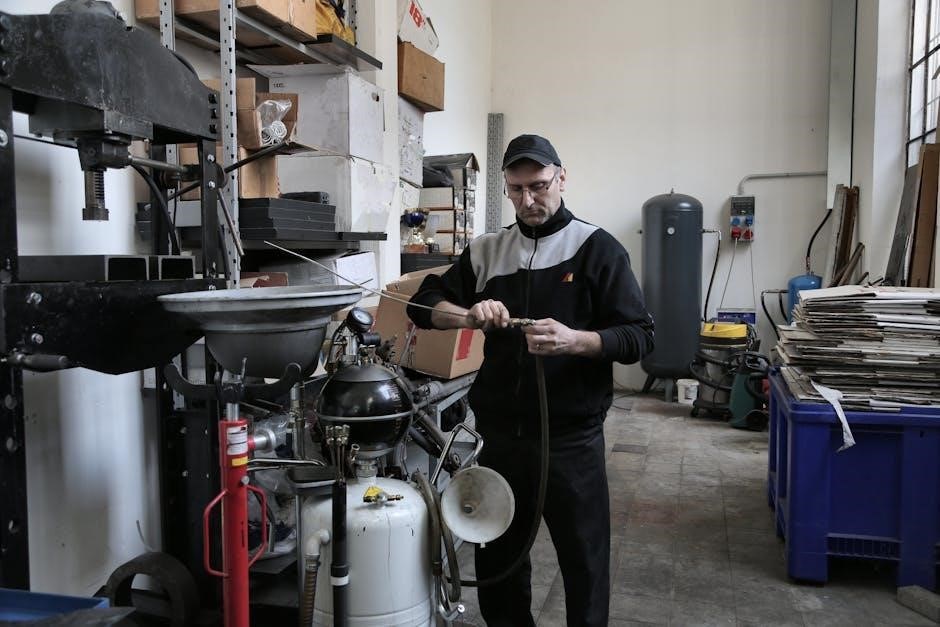
Electric transfer pumps offer higher flow rates and require less physical effort, making them suitable for large-volume transfers. However, they depend on a power source, limiting portability and usability in remote locations. Manual transfer pumps excel in situations where electricity is unavailable or impractical.
While slower, manual pumps are incredibly portable, affordable, and simple to operate. They are ideal for occasional use or when precise control over the transfer process is needed, offering a reliable alternative to their electric counterparts.
Future Trends in Manual Pump Technology
Future developments in manual pump technology will likely focus on enhancing efficiency and ergonomics. Expect to see innovations in pump design, utilizing lighter materials and improved mechanical advantages to reduce manual effort. Integration of basic flow monitoring systems, perhaps digital, could become more common.
Further customization options, like quick-connect fittings and universal hose adapters, are also anticipated. While unlikely to replace electric pumps entirely, manual pumps will continue to evolve, offering a practical and reliable solution for specific fluid transfer needs.